
The Neuroscience Behind EMDR: Why Brain-Based Training Matters for Clinical Practice
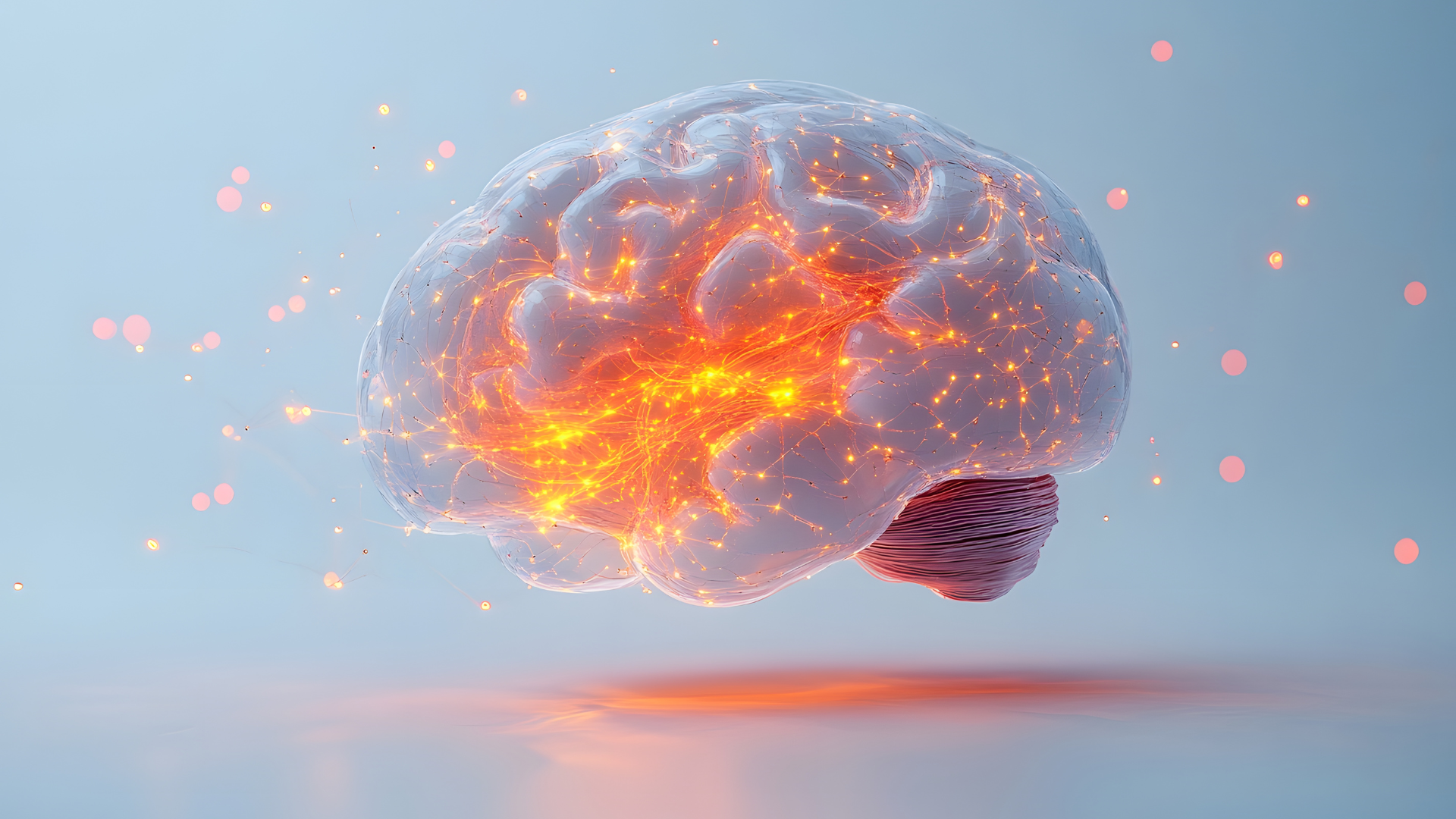
Eye Movement Desensitization and Reprocessing (EMDR) therapy has transformed trauma treatment since Dr. Francine Shapiro's groundbreaking discovery in the late 1980s. What began as an observation about the relationship between eye movements and decreased emotional distress has evolved into one of the most researched and validated psychotherapy approaches for treating trauma-related conditions. Yet despite EMDR's widespread adoption and recognition by major health organizations worldwide, many clinicians lack a comprehensive understanding of why this approach works at the neurobiological level.
For mental health professionals committed to providing the most effective trauma-informed care, understanding the neuroscience behind EMDR is not merely academic. It is clinically essential. When clinicians grasp how EMDR facilitates neural change, they become more confident, adaptive, and effective practitioners capable of tailoring interventions to meet each client's unique neurobiological needs.
Understanding the Traumatized Brain: A Foundation for Effective Treatment
Before exploring how EMDR works, clinicians must first understand what happens in the brain during and after traumatic experiences. Trauma fundamentally alters neural architecture, disrupting the brain's natural information processing systems and creating lasting changes in how individuals perceive, interpret, and respond to their environment.
When a person experiences overwhelming stress or threat, the brain's fear circuitry activates with remarkable speed and intensity. The amygdala, often described as the brain's alarm system, rapidly assesses incoming sensory information and triggers defensive responses before the conscious mind has time to evaluate the situation. This bottom-up processing served our ancestors well when facing immediate physical dangers, but in modern contexts, it can lead to persistent hypervigilance and reactivity long after actual threats have passed.
During traumatic events, elevated stress hormones like cortisol and norepinephrine interfere with normal memory consolidation processes. The hippocampus, responsible for contextualizing and organizing memories in time and space, becomes less effective under extreme stress. The result is that traumatic memories are often stored in fragmented, disorganized ways. They remain rich in sensory and emotional intensity but lack the temporal markers that would signal to the brain that the event is firmly in the past.
Perhaps most significantly, trauma impairs communication between the prefrontal cortex and subcortical structures. The prefrontal cortex, which serves as the seat of executive functions including reasoning, planning, and emotional regulation, becomes less able to modulate the amygdala's alarm responses. This neurobiological reality explains why trauma survivors often know intellectually that they are safe while simultaneously experiencing overwhelming fear, as if the danger were happening right now.
The Adaptive Information Processing Model: EMDR's Theoretical Foundation
Dr. Shapiro developed the Adaptive Information Processing (AIP) model to explain both the development of trauma-related pathology and the mechanisms through which EMDR facilitates healing. According to this model, the brain possesses an innate information processing system designed to move toward adaptive resolution. This system works by extracting useful information from experiences, storing it in accessible memory networks, and allowing the individual to learn and grow from what has happened.
When this natural processing system functions optimally, even distressing experiences can be integrated and resolved. The emotional charge dissipates, insights emerge, and the memory takes its rightful place as a past event that informs but does not dominate present experience. However, when the intensity of an experience exceeds the brain's processing capacity, the information becomes "stuck" in state-specific form, encoded with the original disturbing emotions, physical sensations, and beliefs that were present at the time of the event.
These unprocessed memories form the basis of many psychological difficulties. They can be triggered by internal or external cues, flooding the individual with past emotions and sensations that feel inexplicably intense given current circumstances. The AIP model suggests that symptoms such as flashbacks, nightmares, avoidance behaviors, and negative self-beliefs are not simply learned responses but rather manifestations of unprocessed traumatic material seeking resolution.
EMDR therapy, from this perspective, works by accessing these dysfunctionally stored memories and stimulating the brain's inherent processing mechanisms. Through bilateral stimulation and focused attention, EMDR creates conditions that allow the brain to finally complete the processing that was interrupted during the original traumatic experience.
Bilateral Stimulation and Neural Mechanisms: What the Research Reveals
The bilateral stimulation component of EMDR, whether delivered through eye movements, tactile taps, or auditory tones, has been the subject of extensive neuroscience research. Multiple mechanisms have been proposed and investigated, and the emerging picture suggests that bilateral stimulation produces effects across several neural systems simultaneously.
One well-supported mechanism involves working memory taxation. When clients hold a traumatic memory in mind while simultaneously attending to bilateral stimulation, they are engaging in a dual-attention task that competes for limited working memory resources. Research demonstrates that this competition reduces the vividness and emotional intensity of the recalled memory. Neuroimaging studies show corresponding reductions in amygdala activation during and after this process, suggesting that the memory is being reconsolidated with reduced emotional charge.
The orienting response represents another important mechanism. Bilateral stimulation, particularly eye movements, appears to activate an orienting response similar to what occurs during rapid eye movement (REM) sleep. This response is associated with a relaxation effect and may facilitate the same kind of memory processing and consolidation that occurs naturally during sleep. Some researchers have noted parallels between the neurobiological states induced by EMDR and those present during REM sleep, when the brain naturally processes emotional experiences and consolidates memories.
Enhanced interhemispheric communication has also been proposed as a mechanism of action. Bilateral stimulation may increase communication between the brain's hemispheres, facilitating more integrated processing of traumatic material. Studies using EEG have documented increased interhemispheric coherence during bilateral stimulation, suggesting that this intervention helps the brain access and integrate information that may have been compartmentalized or disconnected.
Additionally, research indicates that EMDR enhances episodic memory retrieval and facilitates the emergence of new associations. During processing, clients frequently report spontaneous insights, connecting their traumatic experiences to other memories, beliefs, and information in ways that promote adaptive understanding. This associative processing appears to help integrate traumatic memories into broader autobiographical networks, reducing their isolation and emotional potency.
Memory Reconsolidation: The Key to Lasting Change
Perhaps the most exciting neuroscience development relevant to EMDR involves memory reconsolidation research. For decades, scientists believed that once memories were consolidated and stored in long-term form, they became essentially permanent and unchangeable. We now know this understanding was incomplete.
When memories are recalled, they enter a labile state during which they can be modified before being reconsolidated into long-term storage. This reconsolidation window offers a remarkable therapeutic opportunity. By activating traumatic memories under conditions that provide new, contradictory information or experiences, clinicians can help reshape those memories at the neurobiological level.
EMDR appears to leverage this reconsolidation window effectively. The protocol's structure, which involves activating the target memory while introducing bilateral stimulation and allowing new associations to emerge, creates conditions that research suggests are optimal for memory modification. Clients often report that after successful EMDR processing, the memory itself feels fundamentally different. They can recall what happened, but the emotional charge, physical sensations, and negative beliefs associated with the memory have genuinely changed.
This understanding has profound implications for clinicians. EMDR is not merely a technique for managing symptoms or teaching coping skills. It appears to facilitate actual neural change, modifying the traumatic memory traces themselves. This mechanism helps explain the often-rapid results achieved with EMDR and the durability of treatment gains over time.
The Role of the Autonomic Nervous System in Trauma and Healing
Effective EMDR practice requires clinicians to understand how trauma affects the autonomic nervous system and how therapeutic interventions can support nervous system regulation. Polyvagal theory, developed by Dr. Stephen Porges, provides an invaluable framework for this understanding.
According to polyvagal theory, the autonomic nervous system includes three hierarchically organized response systems. These include the ventral vagal complex (associated with social engagement and feelings of safety), the sympathetic nervous system (associated with mobilization and fight-or-flight responses), and the dorsal vagal complex (associated with immobilization and shutdown responses). Trauma can dysregulate this system, leaving individuals stuck in defensive states even when no actual threat is present.
Successful EMDR processing involves supporting clients in maintaining sufficient ventral vagal activation, meaning they feel adequately safe and connected, while accessing and processing disturbing material. When clinicians understand autonomic nervous system dynamics, they can recognize signs of dysregulation, implement appropriate stabilization interventions, and titrate processing to maintain optimal arousal levels.
This is where resilience-focused approaches to EMDR training become particularly valuable. By integrating somatic awareness and nervous system regulation strategies throughout training, clinicians learn to work skillfully with the body-based dimensions of trauma. They develop the capacity to help clients build and access internal resources, expand their window of tolerance, and process traumatic material without becoming overwhelmed or shutting down.
Why Brain-Based Training Transforms Clinical Effectiveness
Understanding the neuroscience behind EMDR does more than satisfy intellectual curiosity. It fundamentally transforms clinical practice. Clinicians who grasp neurobiological mechanisms become more confident in their interventions because they understand why they work. This confidence translates into clearer explanations for clients, more effective psychoeducation, and enhanced therapeutic alliance.
Neuroscience knowledge also enables clinical flexibility. When clinicians understand the mechanisms underlying EMDR's effects, they can adapt their approach thoughtfully based on individual client presentations. They recognize that bilateral stimulation serves specific neurobiological functions and can adjust speed, duration, or modality based on client responses. They understand why preparation and stabilization matter and can assess readiness for trauma processing more accurately.
For clinicians working with complex trauma, neuroscience literacy becomes even more essential. Complex trauma often involves developmental experiences that shaped the brain during critical periods, resulting in more pervasive difficulties with regulation, relationship, and identity. Understanding how early trauma affects brain development helps clinicians appreciate why healing may require more extensive work and why certain approaches, including parts work, somatic interventions, and attachment-focused strategies, are often necessary components of treatment.
Brain-based training also helps clinicians avoid common pitfalls. Without understanding why EMDR works, clinicians may inadvertently skip crucial preparation phases, push processing too quickly, or fail to recognize when clients need additional stabilization. They may struggle to explain blocked processing or know how to address it effectively. Neuroscience knowledge provides a map that guides clinical decision-making throughout the therapeutic process.
Integrating Resilience and Neuroscience in EMDR Training
The most effective EMDR training approaches integrate neuroscience education with practical skill development and resilience-building strategies. This integration reflects what research tells us about both trauma treatment and adult learning. Lasting competence emerges from understanding combined with experiential practice and adequate support.
Resilience-focused EMDR training recognizes that clinicians themselves benefit from the same brain-based principles they will use with clients. When training environments feel safe, engaging, and supportive, clinicians can learn more effectively and retain information more reliably. When training includes opportunities for genuine practice with expert guidance and feedback, clinicians develop procedural competence that transfers to real clinical situations.
This approach to training also emphasizes the importance of clinician self-care and regulation. Trauma work is demanding, and clinicians who understand how secondary traumatic stress affects their own nervous systems are better equipped to maintain their effectiveness and longevity in this challenging field. Brain-based training prepares clinicians not only to help their clients but also to sustain their own wellbeing and professional vitality.
The Value of Expert-Led, Immersive Training Experiences
Given the complexity of EMDR and the importance of understanding its neurobiological foundations, the quality of training matters enormously. Effective EMDR training requires more than passive absorption of information. It demands active engagement, supervised practice, and opportunities to integrate theory with clinical application.
Small class sizes allow for personalized attention and ensure that each clinician receives adequate feedback on their developing skills. Expert instruction provides access to deep knowledge accumulated through years of clinical practice and training experience. Interactive, experiential learning formats allow clinicians to feel the protocol from the client's perspective, building embodied understanding that enhances clinical sensitivity and attunement.
EMDRIA-approved training programs meet rigorous standards for content, hours, and instructor qualifications, providing assurance that clinicians are receiving comprehensive, evidence-based education. The continuing education credits earned through quality training programs reflect genuine professional development that enhances clinical competence.
Accessing Quality EMDR Training: Opportunities for Mental Health Professionals
Mental health professionals seeking to expand their clinical expertise through EMDR training have more options than ever before. Online training formats have made high-quality education accessible to clinicians regardless of geographic location, eliminating barriers that once limited access to specialized training.
Whether you are a therapist in Raleigh, NC working to serve your community's trauma survivors, a counselor in Greenville, SC seeking to deepen your clinical skills, or a psychologist in Virginia Beach, VA looking to add EMDR to your treatment offerings, online training allows you to access expert instruction without extensive travel. Clinicians in Hickory, NC, Highland Heights, KY, and Las Vegas, NV can participate in the same high-quality training experiences available to colleagues in major metropolitan areas like New York, NY, Los Angeles, CA, Chicago, IL, and Dallas, TX.
This accessibility matters because trauma does not discriminate by geography. Clinicians in every community encounter clients struggling with the lasting effects of adverse experiences, and these clients deserve access to effective, evidence-based treatment. By making quality EMDR training widely available, the mental health field can better meet this need.
Taking the Next Step in Your Clinical Development
For licensed and pre-licensed mental health professionals ready to integrate EMDR into their practice, understanding the neuroscience behind this powerful approach represents just the beginning. Translating knowledge into clinical competence requires comprehensive training that combines didactic learning with hands-on practice and expert guidance.
Brain Based EMDR offers both Basic and Advanced EMDR Training programs designed to develop confident, competent EMDR practitioners. Led by Libby Murdoch, a recognized EMDR trainer with expertise in complex trauma, these EMDRIA-approved programs provide 40 CE credits and emphasize a neuroscience-driven, resilience-focused approach that integrates the best of current research with practical clinical application.
The training experience includes small class sizes for personalized attention, extensive supervised practice opportunities, and a collaborative learning environment that supports clinician growth. Participants learn not only the standard EMDR protocol but also how to integrate parts work, somatic techniques, and advanced strategies for working with complex presentations.
If you are a mental health professional committed to expanding your clinical effectiveness and providing transformative trauma treatment, quality EMDR training represents an investment in both your professional development and your clients' wellbeing. Contact Brain Based EMDR today to learn more about upcoming training opportunities, scheduling, and how this program can support your clinical growth.
The neuroscience is clear: EMDR facilitates genuine neural change that helps trauma survivors heal. With proper training, you can bring this powerful approach to the clients who need it most.